



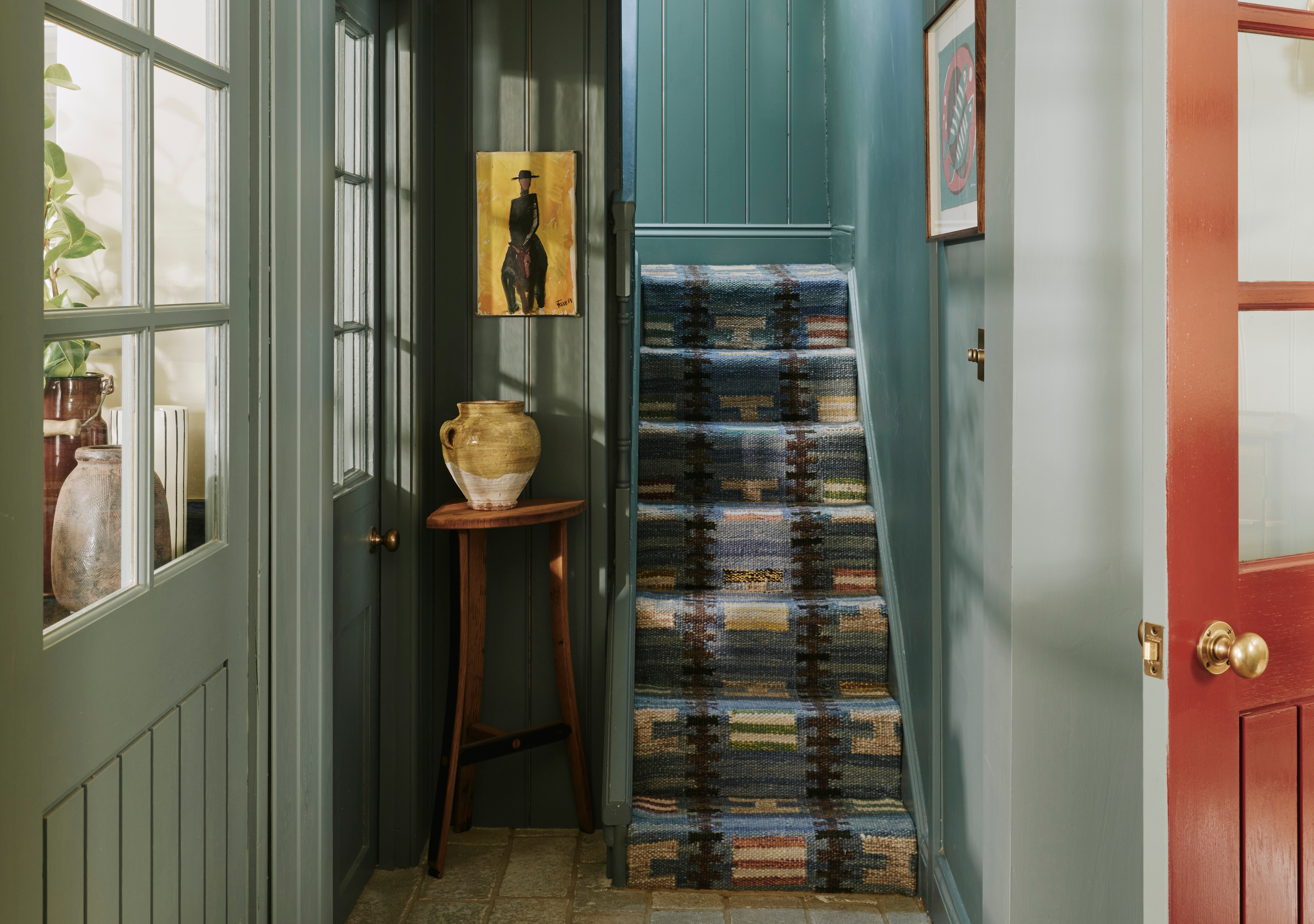
Before any object is placed within a room, there is a sense of how it should feel. It is often difficult to define precisely, yet it is immediately recognisable. A space may feel calm or uplifting, warm or restrained, even before its details are fully understood. This underlying atmosphere is what gives an interior its presence.
It is not created through decoration alone. Atmosphere is shaped by a combination of light, material and proportion, working together quietly. The way daylight moves across a surface, the softness of a textile, or the depth of a wall finish can influence how a room is experienced far more than any single piece of furniture.
Light plays a central role. Softer, diffused light tends to create a sense of ease, allowing materials and colours to settle naturally. In the evening, a more considered approach becomes important. Low level lighting, placed with intention, brings a different quality to a space. It allows certain areas to recede while others come forward, creating a sense of depth and calm.
Material contributes just as much. Natural surfaces carry a variation that feels instinctively comfortable. Timber that has been worn over time, linen with a slight irregularity, or stone that reflects light unevenly all add to the overall atmosphere. These qualities are subtle, but they shape how a room is perceived and how it is lived in.
Colour is often approached in a similar way. Rather than making a statement, it tends to support the overall tone. Softer palettes can create continuity between spaces, allowing movement from one room to another to feel unforced. Even where colour is used more confidently, it is grounded through material and light, so that it sits comfortably within the space.
There is also a relationship between atmosphere and restraint. When too many elements compete for attention, the overall feeling can become unsettled. Allowing certain pieces to stand back creates space for the room itself to come forward. This balance is not about removing character, but about ensuring that it is experienced clearly.
The influence of place often sits quietly behind these decisions. A landscape, a coastline or even the quality of light in a particular location can inform the direction of a scheme. These references are rarely explicit, yet they shape the palette and material choices in a way that feels natural rather than imposed.
Atmosphere is not something that can be added at the end of a project. It is present from the beginning and develops through each decision that follows. When considered carefully, it allows a space to feel composed and enduring, rather than finished too quickly.


